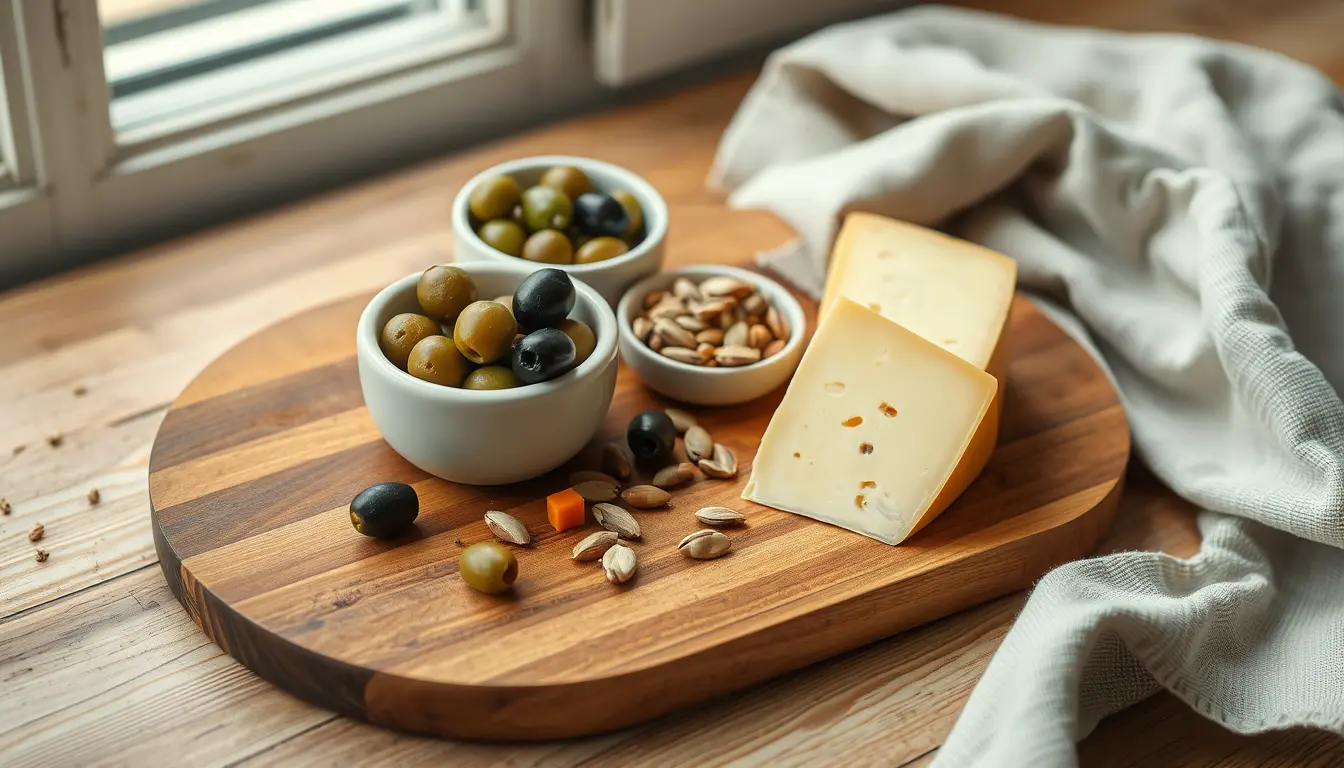
How much can a loaf take? As a working rule, a lean bread or sourdough dough carries add-ins comfortably up to about 20 to 30% of the flour weight in total. Past roughly 35 to 40%, the loaf starts to get heavy, tears when shaped and rises less in the oven. Timing matters as much as quantity: soaked seeds can go in early, but chunky add-ins like olives and cheese are best folded in once the dough has built some strength.
Those numbers are guides, not limits. A strong dough with a careful shape can carry more, and a slack one will struggle with less. The sections below explain why add-ins weigh a dough down and how to prepare each one.
Why add-ins make a loaf heavier
Gluten forms a stretchy web that traps gas. Every seed, olive or cube of cheese sits in that web without contributing to it. A few are easy to work around. Lots of them break the web into smaller pieces, so the dough holds less gas and rises less.
Add-ins also change the water balance. Dry seeds pull water out of the dough as they sit. Olives and soft cheese release moisture into it. And many add-ins bring salt, which tightens the dough and slows fermentation slightly.
None of this is a reason to avoid them. It just means planning the dough around them, and heavy, dense loaves often come down to too many extras in too weak a dough.
Typical amounts
All figures are a percentage of the total flour weight, the way bakers usually express add-ins.
| Add-in | Typical range | Preparation |
|---|---|---|
| Mixed seeds, dry | 10 to 15% | Toast for flavour; soak if using more |
| Mixed seeds, soaked | 15 to 25% (dry weight) | Soak in an equal weight of water |
| Hard cheese in cubes | 15 to 25% | Cut into 1 cm cubes, keep cold |
| Finely grated hard cheese | 5 to 10% | Mix in early; it disappears into the crumb |
| Olives, drained | 15 to 25% | Pit, halve and pat dry |
| Toasted nuts | 15 to 25% | Roughly chop; cool before adding |
| Dried fruit | 15 to 30% | Plump in warm water, then drain |
When you combine several, add them up. Olives at 15% plus cheese at 15% puts the dough at 30%, near the top of the comfortable range.
Working it out in baker’s percentages
The baker’s percentage calculator shows at a glance how loaded a formula is. Here’s an olive and cheddar sourdough:
- 500 g bread flour
- 350 g water
- 100 g starter
- 9 g salt
- 75 g olives, drained
- 60 g cheddar cubes
The calculator reads that as 70% water, 20% starter, 1.8% salt, 15% olives and 12% cheese, a total of 1,094 g of dough. Counting the water in the starter, the overall hydration is 72.7%. The add-ins come to 27% together, inside the comfortable range for a loaf with decent strength.
The salt is set a little lower than the usual 2% because olives and cheese are both salty. Our guide to salt in bread dough covers how to adjust for salty ingredients.
Soaker water
Soaked seeds bring their own water, and bakers count it in different ways. In a seeded loaf with 400 g of bread flour, 100 g of whole wheat, 360 g of water, 100 g of starter, 10 g of salt, and 90 g of seeds soaked in 90 g of water, the dough water is 72%. If you enter the soaker water as an “other” ingredient rather than a liquid, the calculator keeps it out of the hydration figure, which matches how it behaves: most of it stays locked inside the seeds. The overall hydration including the starter is 74.5%.
Preparing each add-in
Seeds
Toasting sesame, sunflower and pumpkin seeds in a dry pan for a few minutes deepens their flavour a great deal. Let them cool before using them.
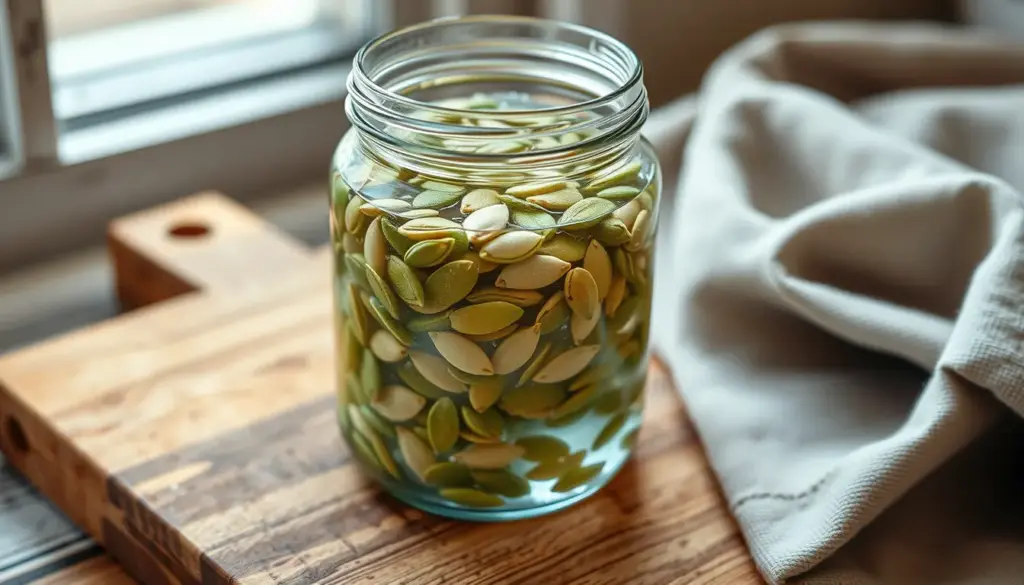
Soaking stops seeds from drawing water out of the dough. Cover them with an equal weight of water, or a little more for linseed and chia, which absorb several times their weight. Leave them for at least an hour, or overnight in the fridge, then drain any water that hasn’t been absorbed.
Olives
Buy pitted olives or pit them yourself, then halve or quarter them. Drain them well and pat them dry on a towel. Wet olives loosen the dough and can turn the crumb around them gummy. Dark olives may tint the crumb purple or grey around each piece. It’s harmless, and drying them well reduces it.
Cheese
Firm cheeses in small cubes, such as cheddar, Gruyère or Comté, melt into pockets as the loaf bakes. Keep them cold until they go in, so they don’t smear through the dough. Finely grated hard cheese like Parmesan blends into the crumb and adds flavour and colour rather than pockets.
Fresh, soft cheeses are perishable, so don’t leave them in a warm dough for a long bulk. Add them at shaping and proof the loaf in the fridge, or use them as a topping.
When to add them
| Add-in | When | Why |
|---|---|---|
| Soaked seeds | At mixing, with the salt | They spread evenly and don’t need protecting |
| Grated hard cheese | At mixing | It should vanish into the crumb |
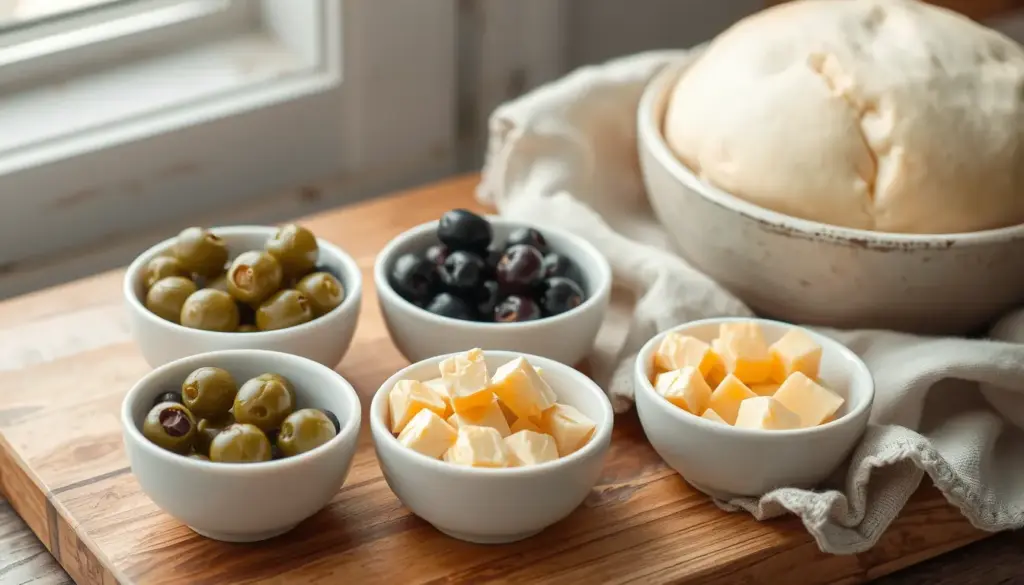
| Olives, cheese cubes, nuts, dried fruit | During the first or second set of folds | The gluten is already partly built, so pieces cut it less |
| Seed crust | Just before the final proof | Dampen the top of the shaped loaf and roll it in seeds |
To fold chunky add-ins in evenly, many bakers use lamination. Stretch the dough into a thin sheet on a damp counter, scatter the pieces over it, then fold it back up into a bundle. It takes a minute and spreads them far more evenly than kneading them in. If a dough feels weak after the add-ins go in, a couple of extra sets of folds helps; stretch and folds vs kneading explains how to judge strength.
Shaping and baking a loaded loaf
Add-ins near the surface poke through and tear the skin as you shape. Push any exposed pieces back under before you tighten the loaf. Cheese on the surface burns easily, so tuck it in or pick it off.
A dough with 25% add-ins weighs a quarter more than the same dough without them, so it needs a bigger basket, or less base dough. Cheese and dried fruit brown fast, so if the crust colours early, rest foil loosely over the loaf for the last part of the bake.
Add-in mistakes
- Adding everything at the start of mixing. Chunky pieces shred the gluten before it forms.
- Using olives straight from the brine. The extra water and salt make the dough slack and salty.
- Forgetting the salt in the add-ins. Cheese and olives can push a loaf from seasoned to salty.
- Dry seeds in large amounts. They soak up water from the dough and leave the crumb tight.
- Keeping the same dough weight for the basket. The loaded dough is heavier and may overflow.
Add-in questions
Can I add the extras to my levain or starter?
No. Keep the starter and levain plain. Add-ins belong in the final dough, where they don’t interfere with the culture.
Should I toss olives or fruit in flour first?
It’s a cake trick that isn’t needed in bread. Pieces don’t sink in a dough the way they do in batter. Patting them dry does more good.
How do I stop a seed crust falling off?
Moisten the whole surface of the shaped loaf before rolling it in seeds, on a damp towel or with a light spray. Then press gently so the seeds bed in. A quick spray of water just before baking helps too.