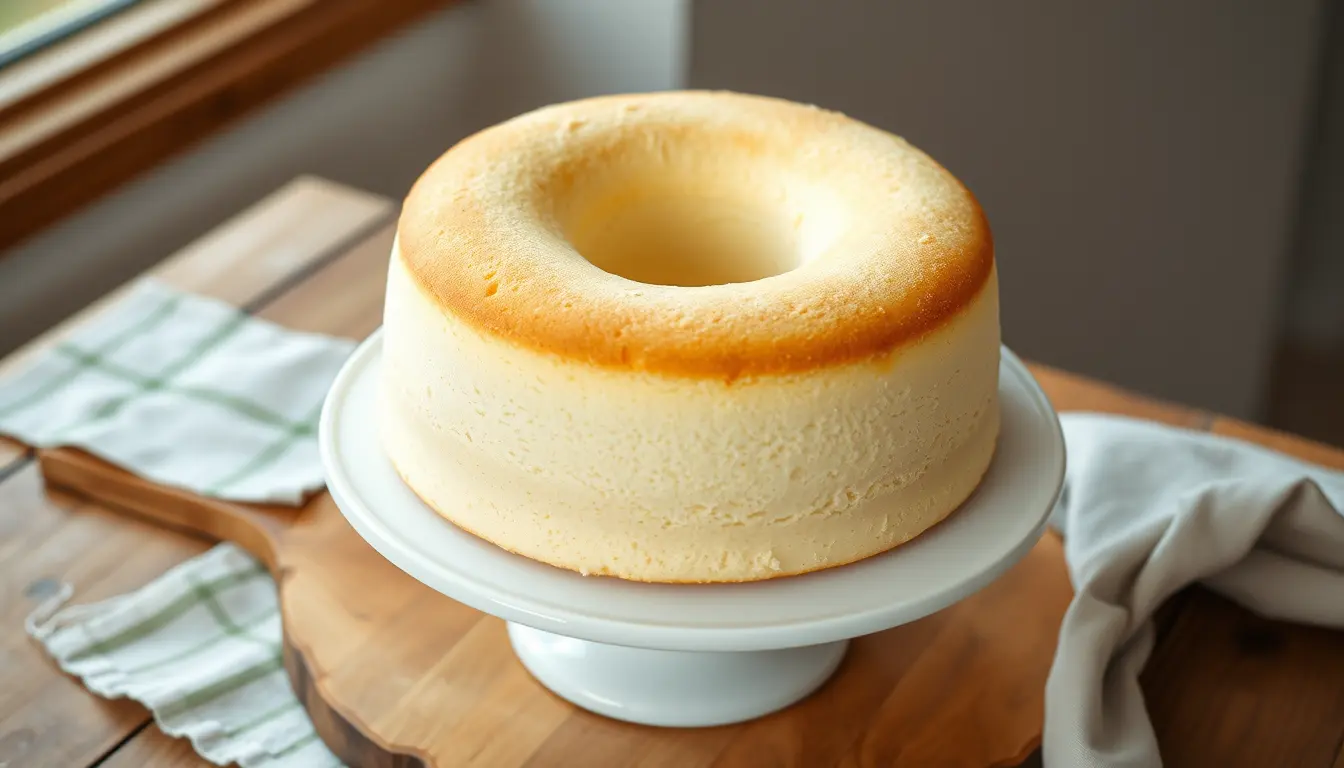
Both are easy to make from all-purpose flour and things you probably already have.
- Self-rising flour: for each cup (120 g) of all-purpose flour, whisk in 1½ teaspoons (6 g) of baking powder and ¼ teaspoon (1.5 g) of salt.
- Cake flour: for each cup, take 2 tablespoons of all-purpose flour out and put 2 tablespoons of cornstarch in. By weight, that’s 105 g of all-purpose flour and 14 g of cornstarch.
The self-rising mix is a near-perfect match. The cake flour blend works well in most cakes, with a couple of exceptions covered below. Here’s what each flour actually is, and when the homemade version needs a little help.
What self-rising flour is
Self-rising flour is a soft, lower-protein flour with the leavening and salt already mixed in. In the American South it’s the standard flour for biscuits, and many old family recipes for pancakes, quick breads and cobblers assume it.
British and Australian self-raising flour is similar but not identical. It’s usually made from plain flour with raising agents added, and most brands leave the salt out. British recipes that make their own often use 2 teaspoons of baking powder to 150 g of plain flour, which works out at roughly the same proportion as the American version, about 5% of the flour’s weight.
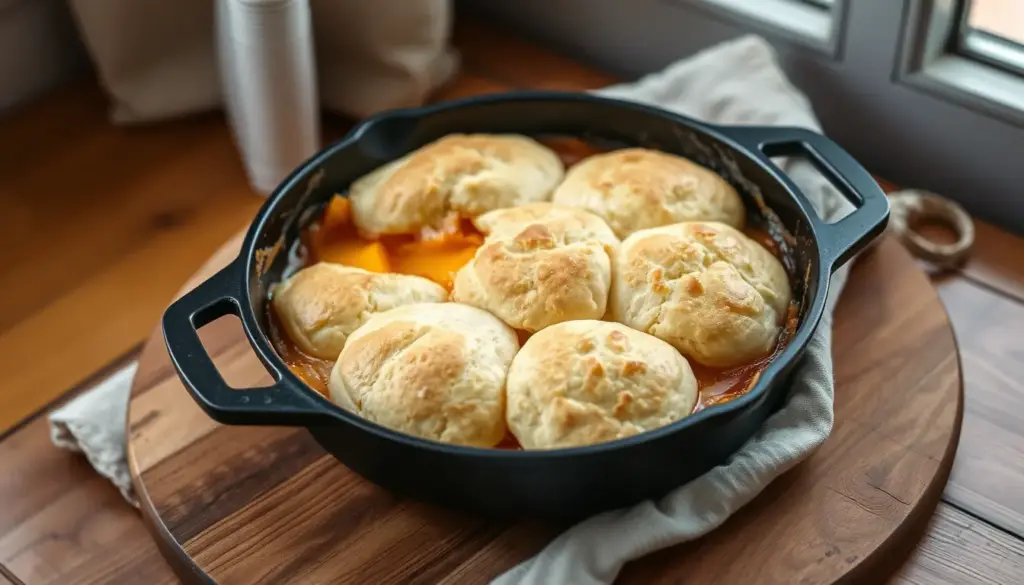
Making your own self-rising flour
- Measure the all-purpose flour by spooning it into the cup and levelling it, or better, weigh it.
- Add the baking powder and salt.
- Whisk for a good 30 seconds, or sift everything together twice. Pockets of unmixed baking powder leave bitter, brownish spots in the bake.
- Use it straight away, or store it in an airtight jar with the date on it.
Make more than you need for one recipe and the recipe scaler does the multiplying. Enter one cup’s worth and scale it by 3, and it gives 3 cups of flour, 1 tablespoon plus 1½ teaspoons of baking powder, and ¾ teaspoon of salt. In grams, scaling 120 g, 6 g and 1.5 g by 2.5 gives 300 g of flour, 15 g of baking powder and 3.8 g of salt.
The weights come from the cups to grams converter, which puts a level teaspoon of baking powder at 4 g and of table salt at 6 g. If your scale reads only in whole grams, measure the leavening by spoon and the flour by weight.
Swapping between self-rising and plain
If a recipe asks for all-purpose flour plus leavening and you only have self-rising, use the self-rising flour and leave out about 1½ teaspoons of baking powder and ¼ teaspoon of salt for every cup. If the recipe also uses baking soda, usually because it contains buttermilk, yogurt or another acid, keep the soda.
Going the other way is simply the homemade blend: all-purpose flour plus the baking powder and salt above.
Self-rising flour isn’t a good fit for everything. Yeast breads don’t need its leavening and end up with an odd, crumbly texture and a slightly salty, chemical taste. Pie pastry can puff unevenly. Stick to plain flour for those.
What cake flour is
Cake flour is milled from soft wheat with very little protein, usually around 7 to 9%, compared with roughly 10 to 12% for American all-purpose flour. It’s ground very fine. Less protein means less gluten, which gives cakes a soft, fine, tender crumb instead of a chewy one.
In the US, most cake flour is also bleached with chlorine, which changes the starch so it absorbs more liquid and sugar and sets more firmly. That lets very sweet cakes hold their shape as they cool. Chlorinated flour isn’t permitted in the UK or the EU, so cake flour as Americans know it is hard to find there.
Making a cake flour stand-in
- Put 2 tablespoons of cornstarch in the bottom of a measuring cup.
- Spoon all-purpose flour on top and level it off.
- Sift the two together two or three times so the cornstarch is evenly spread.
By weight, that’s 105 g of all-purpose flour and 14 g of cornstarch per cup. The converter puts 2 tablespoons of all-purpose flour at 15 g and 2 tablespoons of cornstarch at 14 g, so the cup’s total weight stays almost exactly the same.
The cornstarch dilutes the protein in the flour, giving a softer, finer crumb than all-purpose alone. In British recipes, the same trick appears as plain flour with a spoonful of cornflour.
Where the substitute falls short
The cornstarch blend copies the low protein but not the effect of chlorination. In most butter cakes, cupcakes and sponges, you won’t notice. In “high-ratio” cakes, those with more sugar than flour by weight, such as some very tender white layer cakes, the substitute can give a slightly coarser crumb or a cake that dips a little in the middle as it cools. If a recipe stresses bleached cake flour, it’s worth tracking down the real thing.
Matching the flour to the bake
| Bake | Ideal flour | A good stand-in |
|---|---|---|
| Chiffon, angel food, very light sponge | Cake flour | All-purpose with cornstarch |
| Butter layer cakes and cupcakes | Cake or all-purpose | All-purpose, or the cornstarch blend for extra tenderness |
| Biscuits, scones, pancakes | Self-rising, or all-purpose plus leavening | Homemade self-rising blend |
| Pie and tart pastry | Pastry or all-purpose | Half all-purpose, half cake flour |
| Yeast bread | Bread or all-purpose | Neither self-rising nor cake flour |
For the bread end of that list, bread flour vs all-purpose flour covers the higher-protein side of the range. And if you’re also changing the size of a cake, how to convert a cake recipe to a different pan size shows how to scale the batter.
Freshness
Baking powder loses strength slowly once it’s exposed to air and moisture, and the baking powder inside self-rising flour does too. A bag that has sat open in a humid cupboard for a year may give flat, dense results even though the flour looks fine. Check the date, keep the bag sealed, and when in doubt, make a fresh homemade blend with baking powder you know is lively.
Substitution mistakes
- Using self-rising flour and the recipe’s baking powder. Double leavening makes a cake rise fast and then sink.
- Not whisking the homemade blend. Clumps of baking powder taste bitter and leave holes.
- Scooping the flour for the blend. A packed cup throws off the ratio before you start.
- Swapping cake flour for bread flour. Very different protein levels; the results are nothing alike.
- Skipping the sifting for cake flour. The cornstarch needs to be evenly spread to do its job.
Flour substitute questions
Can I use self-rising flour for yeast bread?
It isn’t a good idea. The added leavening and salt change the flavour and texture, and the softer, lower-protein flour gives a weaker dough. Use all-purpose or bread flour for anything raised with yeast.
Can I use cake flour instead of all-purpose?
For cakes, muffins and some cookies, usually yes, using the same weight. Expect a softer, more tender result. For bread, pizza or anything that needs to stretch and chew, no: there isn’t enough protein to build structure.
How does pastry flour differ from cake flour?
No. Pastry flour sits between cake and all-purpose, often around 8 to 9% protein, and it isn’t usually bleached. It’s made for pie crusts, tarts and biscuits. A mix of half all-purpose and half cake flour is a common stand-in.