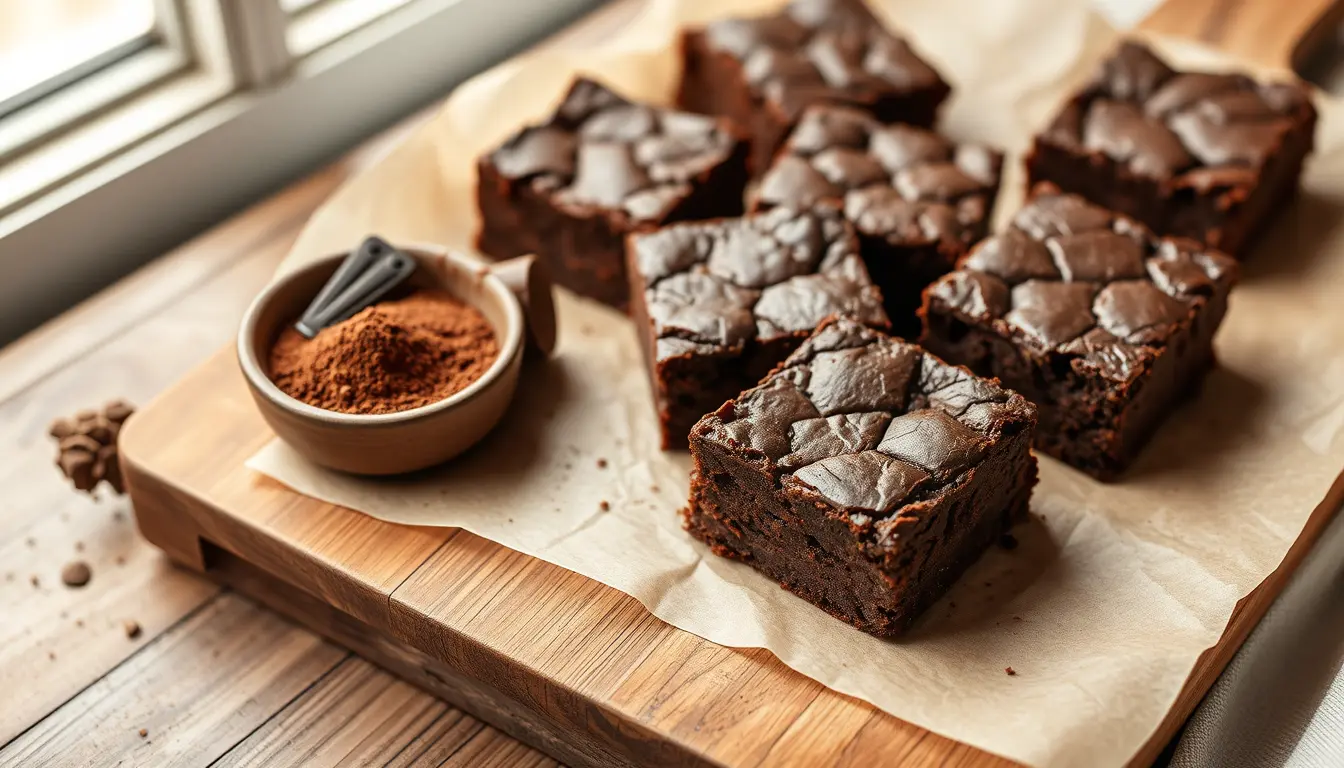
To replace 1 oz (28 g) of unsweetened chocolate, use 3 tablespoons of unsweetened cocoa powder (about 16 g) plus 1 tablespoon (14 g) of butter or neutral oil. That’s the standard swap, and it works well in brownies, cakes and cookies. Going the other way, you can replace 3 tablespoons of cocoa and 1 tablespoon of fat with 1 oz of unsweetened chocolate. Sweetened chocolates need sugar as well, so the swap becomes rougher, and anything where chocolate sets or melts on its own, like ganache, mousse or a dipping coating, is best made with the chocolate the recipe asks for.
How cocoa and chocolate differ
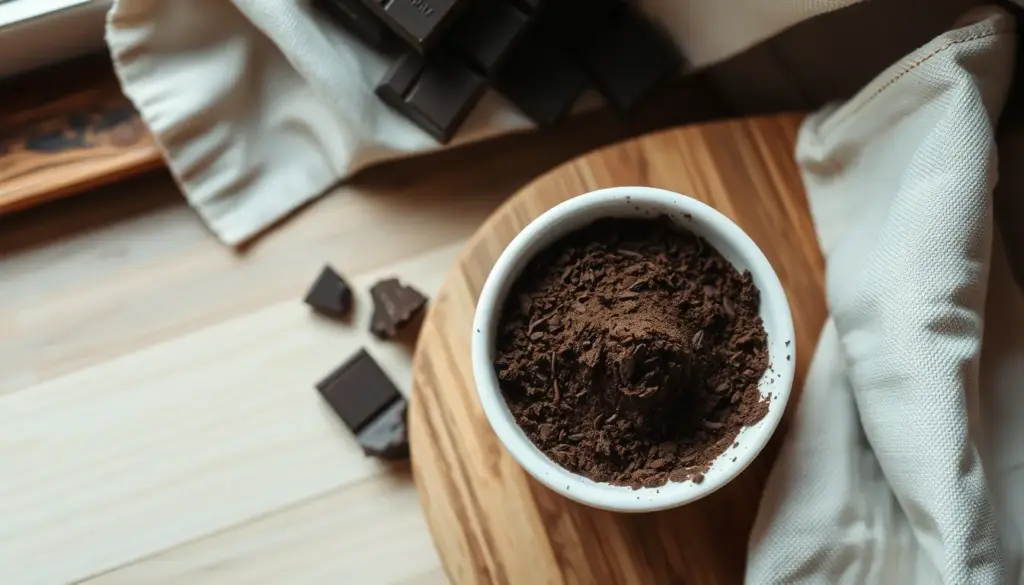
Chocolate starts as roasted, ground cocoa beans, a paste called cocoa mass or chocolate liquor. That paste contains cocoa solids and cocoa butter, the natural fat of the bean. Unsweetened chocolate is essentially this paste, set into a bar. It’s roughly half fat.
Cocoa powder is what’s left after most of the cocoa butter has been pressed out and the remaining solids ground fine. It still contains some fat, typically somewhere around 10 to 24% depending on the type, but far less than chocolate. These figures are approximate.
So the main difference between the two is fat. That’s why the swap pairs cocoa with butter or oil: you’re putting back the fat that was pressed out.
The standard swap, weighed
The cups to grams converter puts unsweetened cocoa powder at 84 g per cup, which makes 1 tablespoon about 5.3 g. The butter converter gives 1 tablespoon of butter as 14 g, or ⅛ of a stick.
| Recipe asks for | Use instead |
|---|---|
| 1 oz (28 g) unsweetened chocolate | 3 tbsp (16 g) cocoa + 1 tbsp (14 g) butter or oil |
| 2 oz (57 g) unsweetened chocolate | 6 tbsp (32 g) cocoa + 2 tbsp (28 g) butter or oil |
| 4 oz (113 g) unsweetened chocolate | ¾ cup (63 g) cocoa + ¼ cup (57 g) butter or oil |
Two tablespoons of butter come to 28 g, the same as ¼ stick, so the 2 oz line is easy to measure from a stick. In the other direction, if a recipe gives cocoa by weight, 50 g of cocoa is about ⅝ cup.
Spoon the cocoa into the measure and level it rather than scooping; cocoa packs down and scooping can add a surprising amount. Teaspoons and tablespoons in grams explains why spoons vary.
Swapping sweetened chocolate
Bittersweet, semisweet and dark chocolate all contain sugar, so the swap needs sugar too. A commonly used approximation for 1 oz (28 g) of bittersweet or semisweet chocolate is:
- 1½ tbsp (about 8 g) unsweetened cocoa
- ½ tbsp (about 7 g) butter
- 1 tbsp (about 12 g) granulated sugar
That’s based on treating sweet chocolate as roughly half unsweetened chocolate and half sugar by weight. Real chocolates vary a lot by brand and cocoa percentage, so the result is approximate. It works best in batters where chocolate is melted in with other ingredients, such as brownies and cakes. Expect a slightly less rich, less silky texture than with real chocolate.
Milk chocolate and white chocolate don’t swap well for cocoa at all. They contain milk solids and a lot of sugar, and white chocolate has no cocoa solids.
Natural or Dutch-processed cocoa
Cocoa comes in two main types:
- Natural cocoa is acidic and lighter in colour. It reacts with baking soda.
- Dutch-processed cocoa has been treated with an alkali, which makes it darker and milder and removes most of its acidity.
When you swap chocolate for cocoa, use the type the rest of the recipe expects. If the recipe uses baking soda and no other acid, natural cocoa helps it rise. If it relies on baking powder, either works. Swapping one type for the other in a soda-leavened recipe can change the rise and colour. Dutch-processed cocoa also gives a darker, almost black colour and a rounder, less sharp flavour, while natural cocoa tastes brighter and slightly fruity. If a recipe doesn’t say which to use and lists baking soda, natural cocoa is the safer guess; baking powder vs baking soda explains why.
Where the swap works
- Brownies: cocoa brownies are often chewier, chocolate brownies fudgier. Both are good.
- Chocolate cakes and cupcakes: the swap works well, especially in oil-based cakes.
- Cookies: works, though the dough may be slightly stiffer with cocoa.
- Hot chocolate and sauces: cocoa with sugar and milk makes a lighter drink; chocolate makes a richer one.
Where it doesn’t
- Ganache and truffles: they rely on the cocoa butter in chocolate to set smoothly.
- Mousse: melted chocolate gives the structure.
- Dipping and coating: cocoa and butter won’t set to a snap.
- Chocolate chips or chunks in a dough: they’re there as pieces, so cocoa can’t replace them.
A worked brownie swap
Say a brownie recipe calls for 4 oz (113 g) of unsweetened chocolate melted with ½ cup (113 g) of butter, and you only have cocoa. Following the table, replace the chocolate with ¾ cup (63 g) of cocoa plus ¼ cup (57 g) of extra butter. The total butter becomes ¾ cup, or 170 g, a figure the butter converter can turn back into sticks if that’s how you buy it: 1½ sticks.
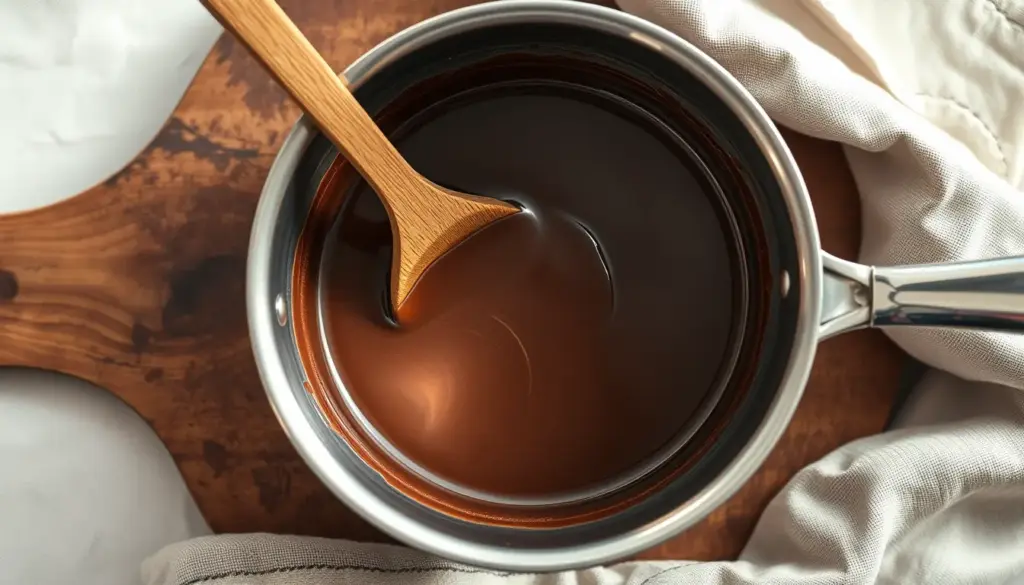
Melt the butter, stir in the cocoa off the heat, and carry on with the recipe as written. Expect a brownie that’s a little less dense and fudgy, with a more pronounced cocoa flavour. If you want it fudgier, use oil for part of the extra fat, since liquid fat keeps the crumb softer once cool.
The swap also works in reverse. If a cake calls for ½ cup (42 g) of cocoa and you have only unsweetened chocolate, that’s 8 tablespoons of cocoa, so use about 2⅔ oz (76 g) of chocolate and reduce the butter or oil by about 2⅔ tablespoons (38 g). These reverse figures are worked out from the standard 3 tbsp plus 1 tbsp swap and are approximate.
Bloom your cocoa for more flavour
Whichever way you go, cocoa tastes stronger if you “bloom” it: stir it into the recipe’s hot liquid or melted butter and leave it for a few minutes before mixing in the rest. The heat releases more flavour, and it also helps cocoa dissolve smoothly.
Common mistakes
- Swapping cocoa for chocolate without adding fat. The bake turns dry and crumbly.
- Forgetting the sugar for sweet chocolate. The result tastes bitter.
- Scooping cocoa straight from the tin. Packed cocoa weighs noticeably more, making bakes bitter and dry.
- Using sweetened drinking chocolate. It’s mostly sugar and doesn’t swap for baking cocoa.
For other butter measurements, butter measurements explained covers sticks, cups and grams in one place.
Cocoa and chocolate questions
Can I use oil instead of butter in the swap?
Yes. Neutral oil works well and gives a moister result, especially in cakes. Use the same amount by volume.
Can I use cacao powder?
Yes, in the same amounts as natural cocoa. Cacao powder is usually unalkalised and acidic, so treat it like natural cocoa.
Can I swap chopped chocolate for chocolate chips?
Yes, by weight. Chips contain stabilisers that help them hold their shape, so chopped bars melt into softer pools, which many bakers prefer in cookies.
Will my brownies taste different with cocoa?
A little. Many bakers find cocoa brownies taste more intensely chocolatey, while chocolate brownies taste richer and smoother.