Gas marks are the numbered settings on British and Irish gas cookers, and they appear in countless older recipes from those countries. The scale climbs in steady 25 °F steps: gas mark 1 is 275 °F (135 °C), gas mark 4 is 350 °F (177 °C, usually set as 180 °C), and gas mark 9 is 475 °F (246 °C). Some cookers add a mark 10 at 500 °F, and the low end has two extra settings, ½ and ¼, for very gentle heat.
To use a gas mark recipe in an electric oven, find the mark in the chart below, then set the conventional or fan temperature beside it.
The full gas mark chart
Figures are from the oven temperature converter. The fan column is 20 °C below conventional, the usual British adjustment.
| Gas mark | °F | °C conventional | Set the dial to | °C fan | Traditional description |
|---|---|---|---|---|---|
| ¼ | 225 °F | 107 °C | 110 °C | 87 °C | Very cool |
| ½ | 250 °F | 121 °C | 120 °C | 101 °C | Very cool |
| 1 | 275 °F | 135 °C | 140 °C | 115 °C | Cool |
| 2 | 300 °F | 149 °C | 150 °C | 129 °C | Cool |
| 3 | 325 °F | 163 °C | 160 °C | 143 °C | Warm |
| 4 | 350 °F | 177 °C | 180 °C | 157 °C | Moderate |
| 5 | 375 °F | 191 °C | 190 °C | 171 °C | Moderately hot |
| 6 | 400 °F | 204 °C | 200 °C | 184 °C | Fairly hot |
| 7 | 425 °F | 218 °C | 220 °C | 198 °C | Hot |
| 8 | 450 °F | 232 °C | 230 °C | 212 °C | Very hot |
| 9 | 475 °F | 246 °C | 250 °C | 226 °C | Very hot |
| 10 | 500 °F | 260 °C | 260 °C | 240 °C | Extremely hot |
The descriptions vary a little between old cookbooks, so treat them as a guide. For fan settings, round to the nearest 5 or 10 degrees your oven offers; 157 °C becomes 160 °C, and 198 °C becomes 200 °C.
Where gas marks came from
Early gas cookers had no thermostat. The cook controlled the heat by turning the gas up or down and judging the oven by experience, by the colour of a sheet of paper or by how long a hand could be held inside. When thermostatic controls arrived on British gas cookers in the 1920s, the dials were marked with simple numbers rather than degrees. Those numbers became the gas marks, and generations of British recipes were written around them.
Electric ovens, and most new gas ovens, now show degrees. But the marks survive in recipe books, handwritten family recipes and on many cookers still in use in the UK and Ireland.
Decoding old recipe language
Before gas marks, and alongside them, recipes described heat in words. If you find one of these in an older recipe, the chart above gives the modern equivalent:
- A slow oven usually means gas mark 1 to 2, for rich fruit cakes and slow-baked meringues.
- A moderate oven is gas mark 4, the setting for most sponges and biscuits.
- A hot oven means gas mark 6 to 7, for bread, scones and pastry.
- A very hot oven is gas mark 8 to 9, for quick breads and rolls that need a fast burst of heat.
Older British recipes often give ingredients in ounces too. Converting those to grams at the same time saves a second trip through the recipe later; why bakers weigh ingredients instead of using cups explains why weights are worth the switch.
Converting a gas mark recipe
Here are a few classic bakes, converted with the oven temperature converter:
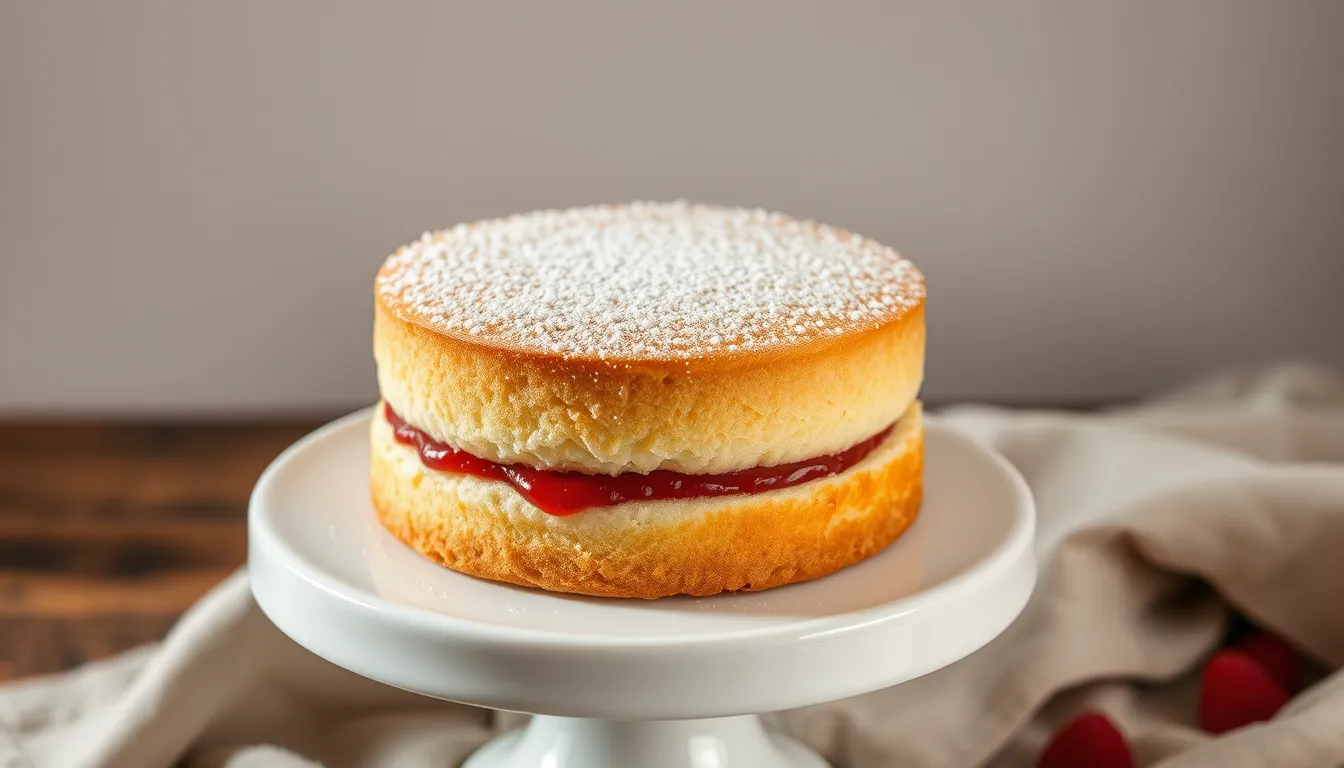
- A Victoria sponge at gas mark 4: 350 °F, or 177 °C conventional, which the converter rounds to 180 °C for a dial. With a fan, 160 °C does the same job.
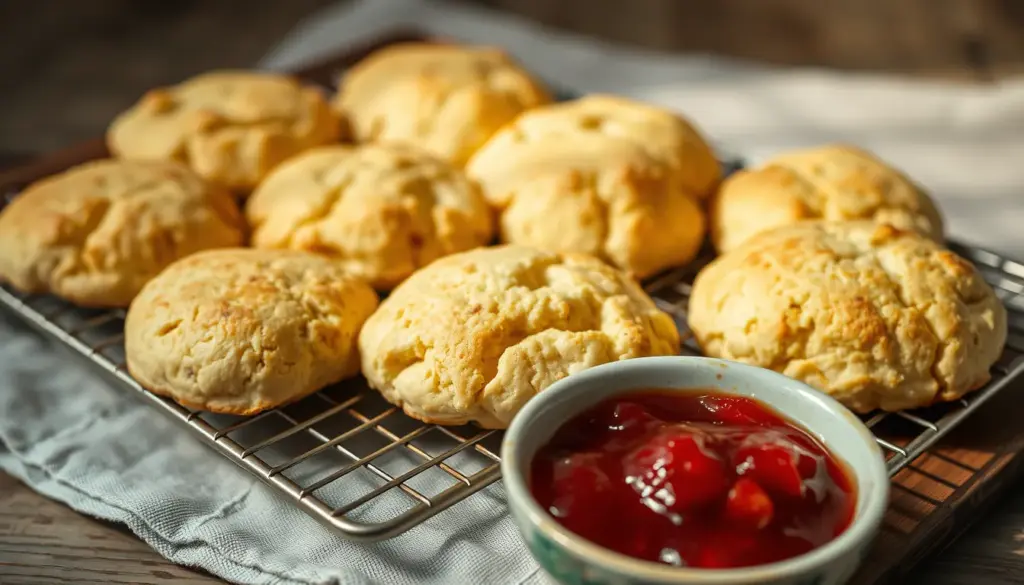
- Scones or a crusty loaf at gas mark 7: 425 °F or 218 °C, set as 220 °C on a dial, or about 200 °C with the fan.
- A rich fruit cake at gas mark 2: 300 °F or 149 °C, set as 150 °C, or about 130 °C fan.
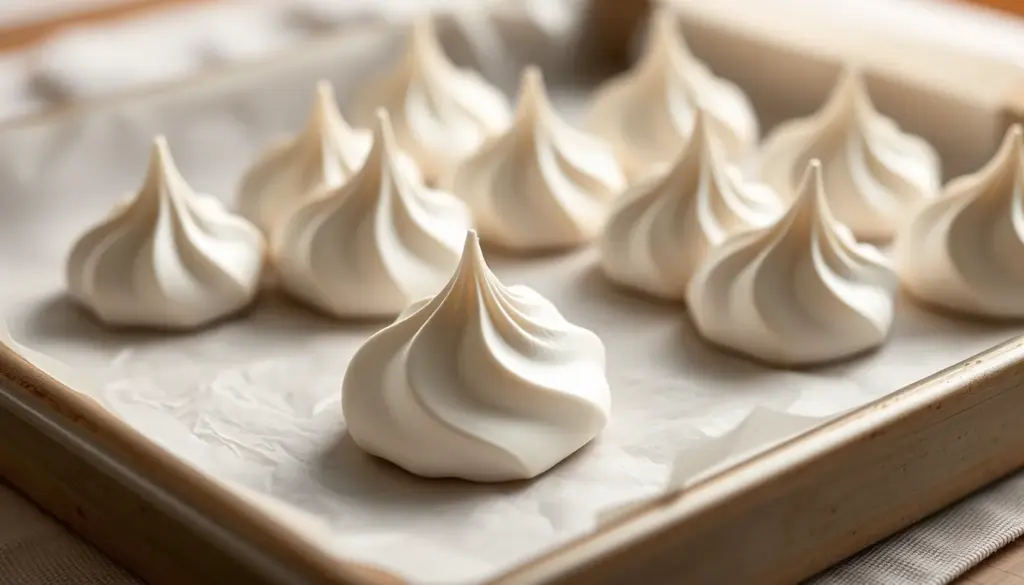
- Meringues at gas mark ½: 250 °F or 121 °C, set as 120 °C, or about 100 °C fan.
It works the other way too. A modern recipe at 190 °C conventional is gas mark 5. One at 160 °C fan is 180 °C conventional, which is gas mark 4. An American recipe at 425 °F is gas mark 7.
Enter any gas mark or temperature to see every equivalent:
What the lowest marks are for
The settings below gas mark 3 look odd to anyone used to modern recipes, but they each had a job.
- Gas mark ¼ and ½ are for drying rather than baking: meringues, dried fruit slices, and warming plates. A meringue baked slowly at this heat stays white and crisp right through.
- Gas mark 1 suits very slow cooking, such as stews and rice puddings left for hours.
- Gas mark 2 is the traditional setting for large, rich fruit cakes, which need several hours to cook through without the outside burning.
Many electric ovens struggle to hold a steady temperature this low, so an oven thermometer is especially useful here. If yours runs hot, prop the door open a crack with a wooden spoon for meringues.
How a gas oven bakes differently
A gas oven without a fan behaves differently from an electric fan oven, even at the same setting.
The top is hotter
The burner usually sits at the bottom or back of the oven, and hot air rises. In many gas ovens the top shelf runs noticeably hotter than the middle, and the bottom shelf cooler. Older recipes sometimes rely on this, telling you to bake a cake “in the centre” and scones “near the top”. In an electric fan oven, the heat is more even, so those shelf instructions matter less.
The heat is moister
Burning gas produces water vapour, so a gas oven’s air is a little more humid than an electric oven’s. Crusts on bread can bake up slightly softer, and some cakes stay a touch moister. It is a small difference, but it is why some bakers say their bread browns differently after changing ovens.
Settings are approximate
A gas mark is a thermostat setting, not a guarantee. Individual cookers can run hot or cold, especially older ones. An inexpensive oven thermometer on the middle shelf will tell you what gas mark 4 really means in your kitchen.
Gas mark mistakes
- Converting a gas mark to a fan temperature without the 20 °C drop. Gas marks describe conventional heat. Set a fan oven lower.
- Applying a fan recipe to a gas oven. A recipe written at 160 °C fan needs gas mark 4, not gas mark 3.
- Trusting the shelf positions in an old recipe in a fan oven. The difference between shelves is much smaller with a fan.
- Skipping the preheat. Gas ovens heat quickly, but the walls take longer to catch up. Give it at least 15 minutes.
For more on the fan adjustment and when to use it, fan vs conventional oven temperatures goes into the details.
Gas mark questions
What gas mark is best for bread?
Most crusty loaves bake at gas mark 7 to 8, around 220 to 230 °C. Enriched breads such as brioche and soft rolls are usually baked lower, at gas mark 5 to 6, so the butter and sugar don’t burn before the centre is cooked.
Is a gas mark the same on every cooker?
The scale is standard, but each oven’s accuracy isn’t. Two cookers set to gas mark 5 can differ by 10 °C or more. That is normal, and an oven thermometer is the easiest way to find out how yours behaves.
Do electric ovens ever use gas marks?
Some British electric cookers print gas marks alongside the degrees on the dial, to help people moving from gas. They are simply a second label for the same temperatures, and the chart above applies to them too.