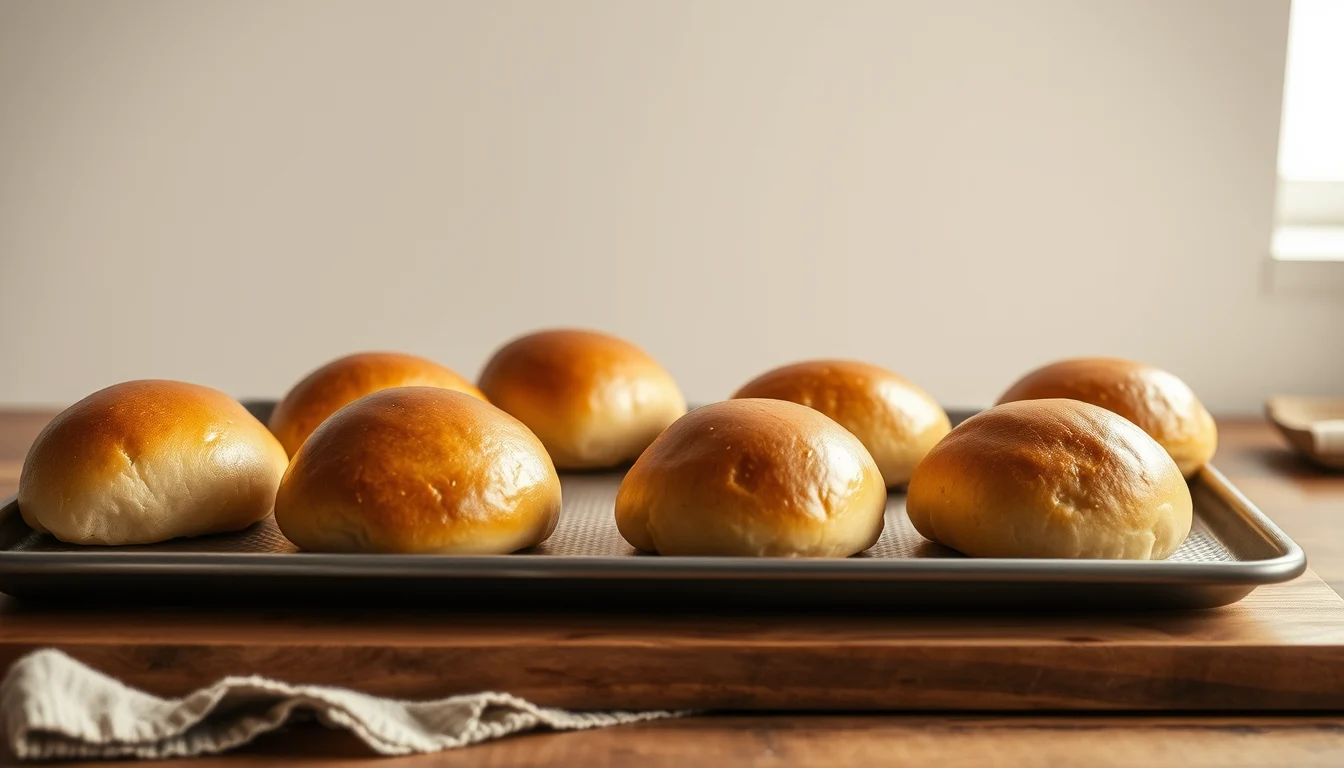
Lower the temperature by 20 °C, the usual British convention, or by 25 °F, the usual American one, when a recipe written for a conventional oven goes into a fan oven. So 220 °C conventional becomes 200 °C fan, and 425 °F becomes 400 °F convection. If the recipe already gives a fan or convection temperature, use it exactly as written. And check your oven’s manual, because some models make the adjustment for you when you select the fan setting.
The reduction exists because moving air transfers heat into food faster than still air at the same temperature. A fan oven set to 200 °C bakes roughly like a conventional oven at 220 °C, so recipes knock the number down to match.
Why a fan changes the heat
Food in a still oven is wrapped in a thin layer of cooler air and moisture that clings to its surface and slows the flow of heat. A fan blows that layer away, so the surface meets fully hot air all the time. The thermometer in the oven reads the same, but the cake, cookie or loaf warms up faster.
The fan also mixes the air, which evens out the hot and cool zones that conventional ovens are prone to. That is why fan ovens are good at baking several trays at once. The flip side is that moving air dries surfaces quickly, which helps crisp skins and golden pastry and can hurt delicate bakes that need to rise gently before they set.
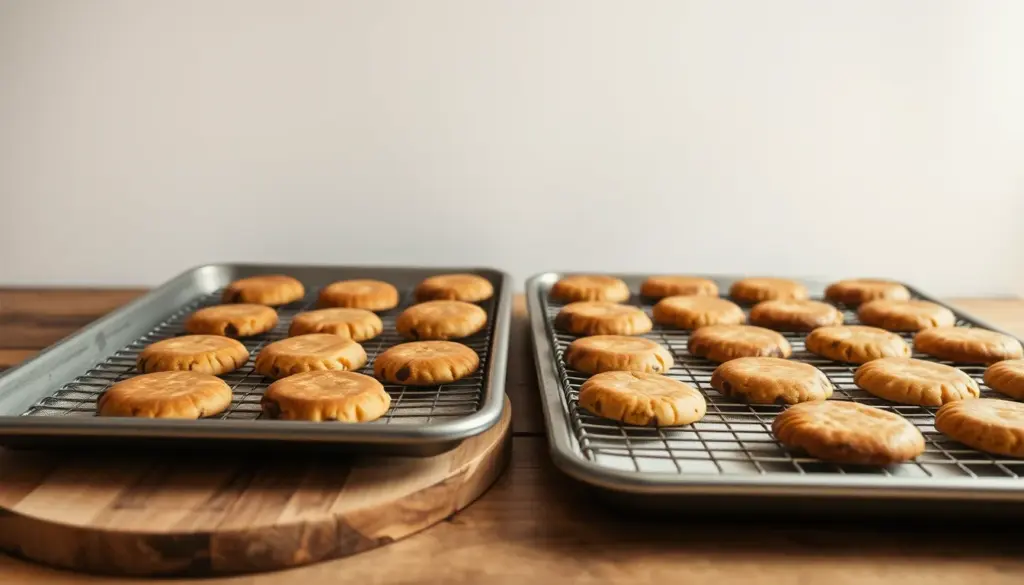
The two conventions don’t quite agree
British recipes usually subtract 20 °C for fan. American recipes subtract 25 °F for convection. Those are close but not identical, because 25 °F is only about 14 °C.
Take a British cake baked at 160 °C fan. The oven temperature converter reads that as 180 °C conventional, or 356 °F, and a dial setting of 180 °C or 350 °F. Its American convection equivalent comes out at 331 °F. Convert 160 °C directly to Fahrenheit, though, and you get 320 °F. The 11 °F gap is simply the two conventions disagreeing, and either figure bakes a good cake, because most home ovens drift further than that from their dial.
Here are common settings, all from the converter:
| Conventional | Fan | Conventional °F | Convection °F | Gas mark |
|---|---|---|---|---|
| 160 °C | 140 °C | 320 °F | 295 °F | 3 |
| 180 °C | 160 °C | 356 °F | 331 °F | 4 |
| 190 °C | 170 °C | 374 °F | 349 °F | 5 |
| 200 °C | 180 °C | 392 °F | 367 °F | 6 |
| 220 °C | 200 °C | 428 °F | 403 °F | 7 |
| 230 °C | 210 °C | 446 °F | 421 °F | 8 |
The Fahrenheit figures are exact conversions. For an oven dial, round them to the nearest 25 °F: 428 °F becomes 425 °F, and 392 °F becomes 400 °F.
Two recipes, converted both ways
A British recipe for bread rolls at 220 °C conventional. In a fan oven set 200 °C. In an American oven, the converter gives 428 °F conventional, rounded to 425 °F, or 403 °F on convection, and gas mark 7.
An American recipe for roasted vegetables or biscuits at 400 °F convection. That is 425 °F in a conventional oven, which the converter shows as 218 °C, rounded to 220 °C on a dial, or 198 °C fan, which most people set as 200 °C.
For anything else, type the temperature and pick the kind of oven the recipe was written for:
When to use the fan, and when to switch it off
The fan helps most when you want even colour and a crisp, dry surface:
- Several trays of cookies, scones or rolls baked at once
- Roast vegetables and potatoes
- Puff pastry, choux buns and pie crusts
- Crackers and anything you want golden all over
Some bakes do better with still air, or with the fan off for part of the time:
- Custards, cheesecakes and crème caramel, which can curdle, crack or develop a skin when the surface dries too fast.
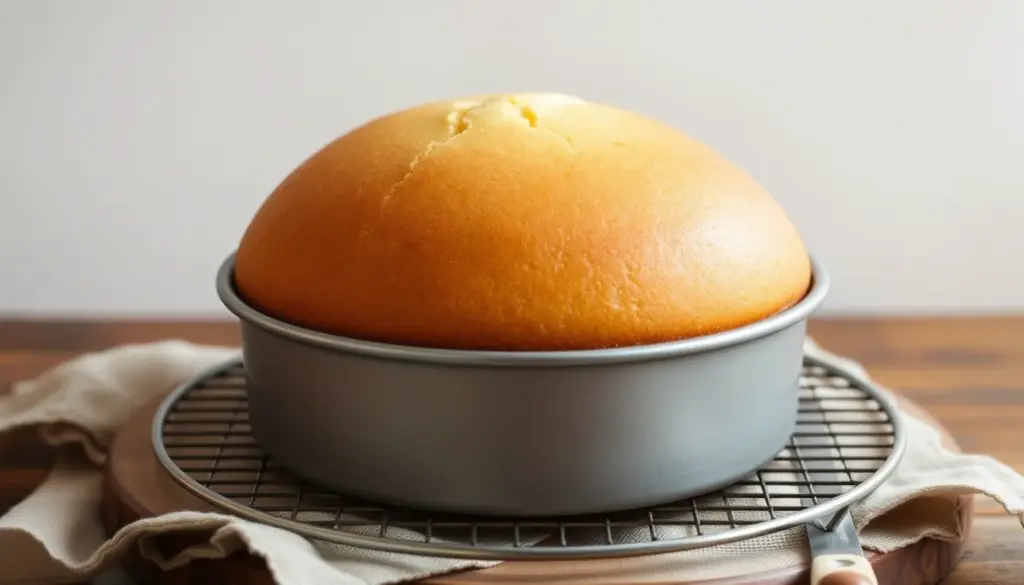
- Tall sponges and soufflés, which may set on top before they have finished rising, giving a domed or cracked cake.
- Light meringues, which can colour and blow about on a strong fan.
- Bread baked with steam on an open stone. A fan can carry the steam away before the crust has had its benefit, so many bakers use conventional heat for the first part of the bake.
If your oven only has a fan setting, lower the temperature a little further for these bakes and cover delicate tops loosely with foil. Tin loaves are far less fussy: a sandwich loaf bakes well with the fan on, and how much dough for a 9×5 loaf pan covers the bake itself.
Adjusting time as well as temperature
Even with the temperature lowered, fan-baked food often finishes a little early, especially small items near the fan. Check about five to ten minutes before the recipe’s time. Some American guides suggest the reverse approach: keep the temperature and cut the time by about a quarter. Either works as a starting point; the doneness test, not the timer, is what counts.
Finding out what your oven really does
- Put a thermometer inside. Place an oven thermometer on the middle shelf, preheat for 20 minutes and compare it with the dial on both fan and conventional settings. Many ovens are out by a noticeable margin.
- Check for automatic conversion. Many American ranges with a convection mode subtract 25 °F automatically when you enter a temperature. Subtracting it yourself as well lowers the heat twice.
- Learn your settings. European ovens often offer both a true fan, with its own heating element around the fan, and a fan-assisted mode that circulates heat from the top and bottom elements. The manual will say which one the recipe temperatures assume.
- Find the hot spots. Bake a tray of plain cookies or toast slices of bread across a shelf. The darkest ones show where the heat concentrates, and turning trays halfway through deals with it.
Use the shelves the way the oven expects
In a conventional oven, the top of the cavity runs hottest and the middle shelf gives the most even result, so single trays belong in the middle. A true fan oven spreads heat much more evenly, which is what makes baking on two or three shelves at once practical. Even so, leave at least one shelf of space between trays and swap them around halfway through if one browns faster.
Common fan oven mistakes
- Reducing a temperature that is already a fan figure. If a recipe says “180 °C fan”, don’t lower it again.
- Stacking trays too closely. The fan needs space to move air between them. Leave a shelf gap if you can.
- Using high-sided tins for cookies. Rimmed or low trays let the moving air reach the dough.
- Checking at the original time. By then a fan-baked tray may already be overdone at the edges.
- Blaming the recipe instead of the oven. A thermometer answers most “this never works for me” problems.
Fan oven questions
Why do British recipes often list three temperatures?
They are giving the same heat three ways: a conventional electric setting, a fan setting and a gas mark, for example 180 °C, 160 °C fan, gas mark 4. Use whichever matches your oven.
Is an air fryer just a small fan oven?
Essentially, yes. It is a compact, powerful convection oven with the fan close to the food, so it browns faster still. Many people start around 20 °C lower than a conventional recipe and check early; and if you bake a cake in one, the smaller tin changes the quantities too, which the cake pan conversion guide covers.
Does a fan oven need less preheating?
Usually it reaches temperature faster, because the fan spreads the heat. A baking stone or heavy pot inside still needs the full preheat, since it heats far more slowly than the air around it.
Can I bake on two shelves without a fan?
You can, but the trays will bake unevenly, with the upper one browning faster and the lower one shaded from above. Swap them top to bottom and turn them front to back halfway through, and expect to add a few minutes overall.